

Fine Wine Appraisal Services for Collectors, Estates, and Institutions
A credible fine wine appraisal does more than produce a number. It creates a defensible, documented record of value that holds up in insurance claims, estate proceedings, tax filings, charitable donations, litigation, and collection planning. Chai Consulting provides professional wine and spirits valuation from the Bay Area and worldwide, grounded in independent expertise, rigorous methodology, and USPAP-compliant standards where the engagement requires them.
Wine Valuation Services, Bay Area and Worldwide
What Sets a Formal Wine Appraisal Apart
A casual resale estimate and a formal wine collection valuation are not the same thing. A resale estimate reflects what a buyer might pay today in a particular channel. A formal appraisal is a structured, documented professional opinion that satisfies the specific purpose for which it was commissioned, whether that is an insurance policy, an estate filing, a tax return, a donation receipt, or a legal proceeding. Chai Consulting's appraisals are prepared with that distinction in mind. Each engagement begins with a clear scope: what is being valued, for what purpose, and under what standard. The result is a report that professional advisors, insurers, tax authorities, and courts can rely on, not a quick estimate shaped by market convenience or an undisclosed inventory interest.

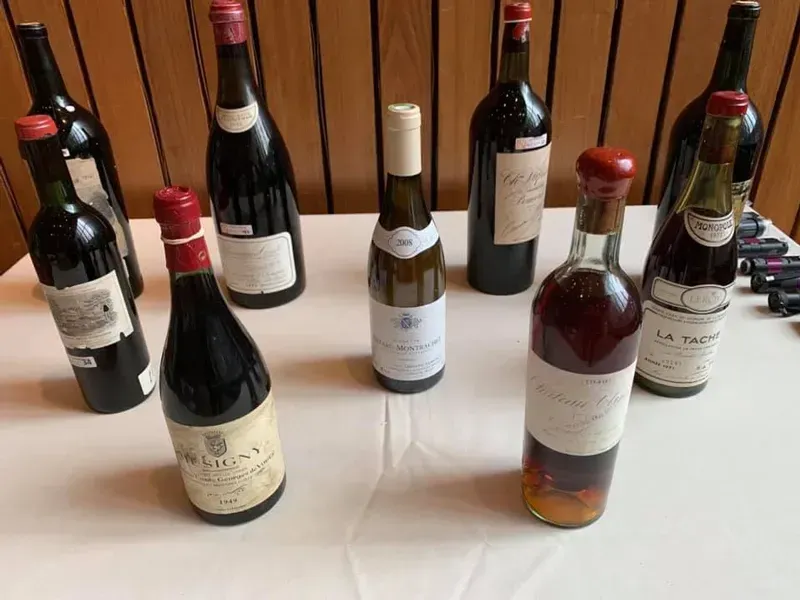
Rare Wine Appraisals and Professional Wine Assessment
When a Formal Valuation Is the Right Tool
Fine wine collections intersect with formal valuation requirements more often than most owners anticipate. Insurance coverage requires an accurate, current replacement value to be meaningful. Estate planning and probate require a fair market value that satisfies fiduciary and legal standards. Charitable donation appraisals must meet IRS qualified-appraisal requirements for deductions to be defensible. Tax planning and asset division in divorce or partnership disputes require an independent, credible opinion that neither party controls. Loss and damage claims, whether from a storage failure, a flood, a fire, or a transit incident, require documentation of what was lost and what it was worth. Each of these situations calls for a different valuation standard and a different report structure. Chai Consulting prepares appraisals calibrated to the specific purpose, not a one-size-fits-all document.
Independence, Credentials, and USPAP Standards
An Independent Appraisal You Can Rely On
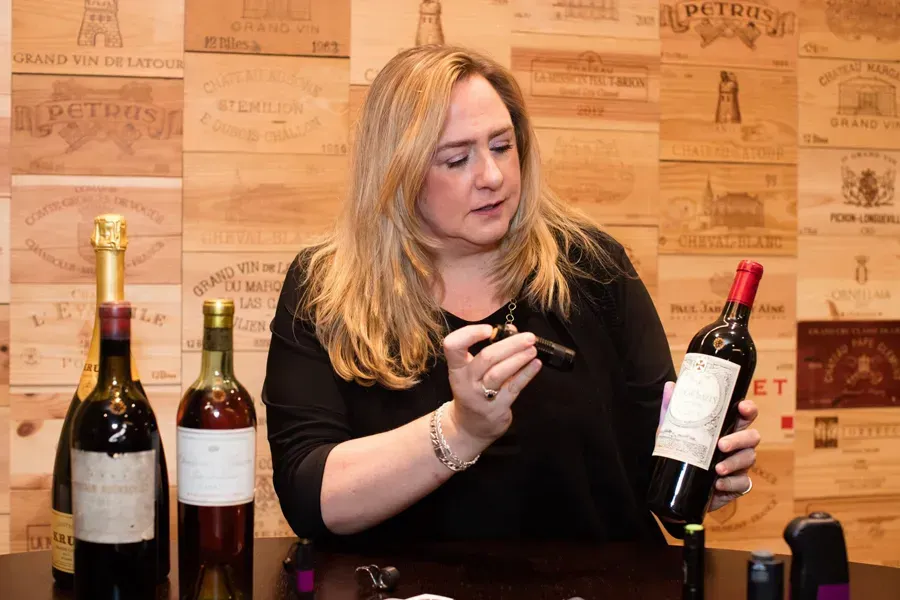
The value of any professional wine assessment depends on who is doing it and what interests they hold. An appraisal from an auction house that also wants to sell the collection carries an inherent conflict. An appraisal from a dealer with owned inventory faces the same problem. Chai Consulting operates as an independent advisory practice with no inventory position and no auction-house affiliation. Founder Maureen Downey holds DipWSET and CWE credentials and has managed more than $120 million in fine and rare wine assets across private, estate, institutional, and fiduciary contexts. Where the engagement requires it, appraisals are prepared under USPAP-compliant standards, the same framework used for real property, personal property, and other high-value asset classes. That independence and that standard matter when a valuation is reviewed by an insurer, an estate attorney, a tax authority, or a court.
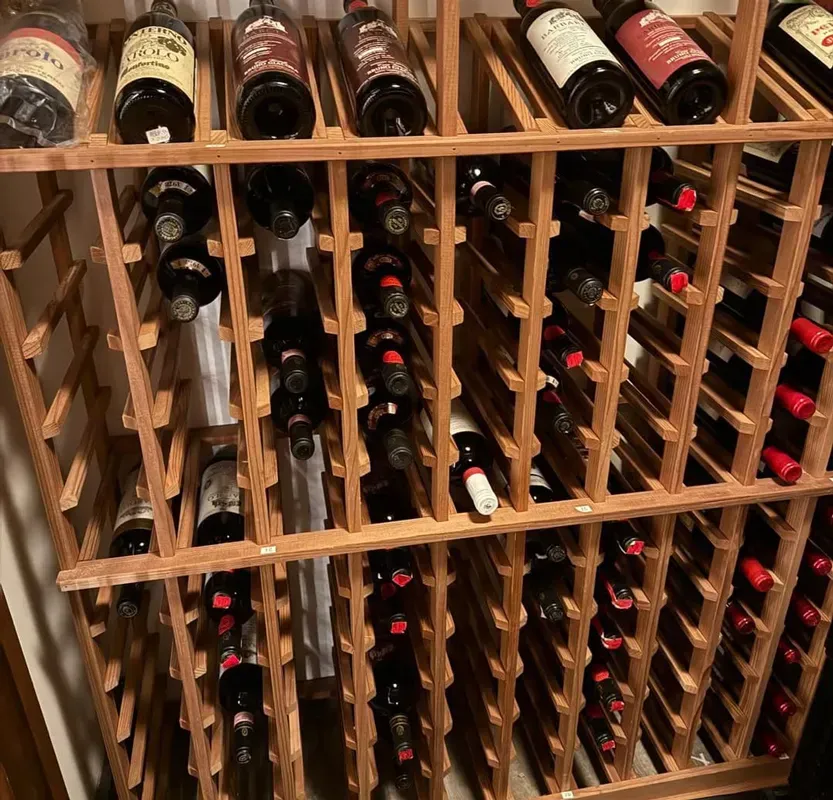
Wine Collection Valuation for Complex and Multi-Location Holdings
Appraisals for Collections of Any Scale or Location
Fine wine collections are rarely confined to a single location. Bottles may be distributed across a home cellar, a professional storage facility, a vacation property, or holdings in multiple countries. Chai Consulting's global team has the reach to coordinate appraisals across the United States, Europe, and Asia, bringing consistent standards and local market knowledge to each part of the collection. Whether the engagement covers a few dozen bottles for a specific insurance rider or a multi-thousand-bottle estate collection requiring comprehensive inventory and valuation, the process is the same: careful documentation, accurate identification, condition assessment, and a clear written report prepared for the stated purpose. Collections with authentication concerns can also be evaluated in conjunction with TCM® wine authentication, so that provenance and genuineness questions are addressed before a valuation is finalized.
Fine Wine Appraisal Questions
Common Questions About Wine and Spirits Valuation
What is the difference between a formal wine appraisal and a resale estimate?
A resale estimate reflects what a buyer might pay for a bottle or collection in a given sales channel on a given day. A formal appraisal is a documented professional opinion prepared to a specific standard and for a specific purpose, such as insurance replacement value, fair market value for an estate, or qualified appraisal value for a charitable donation. The two figures can differ significantly, and using the wrong one for a formal purpose can create problems with insurers, tax authorities, or courts. Chai Consulting prepares appraisals calibrated to the stated purpose, not general market estimates.What does USPAP-compliant mean in the context of a wine appraisal?
USPAP stands for Uniform Standards of Professional Appraisal Practice. It is the recognized standard framework for professional appraisals across real property, personal property, and other asset classes. A USPAP-compliant wine appraisal follows defined requirements for scope of work, methodology, reporting, and appraiser independence. When an appraisal is reviewed by an insurer, estate attorney, IRS, or court, USPAP compliance signals that the work meets a recognized professional standard rather than an informal or self-defined process. Chai Consulting prepares appraisals under USPAP-compliant standards where the engagement requires it.In what situations does a wine collection typically require a formal appraisal?
Common situations include obtaining or updating insurance coverage, settling an estate or going through probate, planning a charitable donation of wine, addressing tax obligations related to a collection, dividing assets in a divorce or business dispute, filing a loss or damage claim after a storage failure or disaster, and supporting litigation involving wine authenticity or value. Each situation may require a different valuation standard, so identifying the purpose of the appraisal at the outset is important. Chai Consulting works with collectors, families, fiduciaries, attorneys, and insurers across all of these contexts.Can Chai Consulting appraise a collection held in multiple locations or outside California?
Yes. Chai Consulting operates with a global team and handles appraisals across the United States, Europe, and Asia. Many private collections are distributed across home cellars, professional storage facilities, vacation properties, or holdings in different countries. The appraisal process is coordinated to cover all parts of the collection under consistent standards, with local market knowledge applied where relevant. The Bay Area is the firm's base, but geographic scope is not a limiting factor for engagements involving collections in other states or internationally.Why does appraiser independence matter for a wine valuation?
An appraisal prepared by a party with a financial interest in the outcome, such as an auction house that also wants to sell the collection or a dealer with owned inventory, carries an inherent conflict. That conflict can affect the figure produced and can undermine the appraisal's credibility with insurers, tax authorities, or courts. Chai Consulting is an independent advisory practice with no inventory position and no auction-house affiliation. Valuations are guided by the client's collection and the stated purpose of the appraisal, not by any downstream commercial interest.Can authentication concerns be addressed as part of the appraisal process?
Yes. A collection with unresolved provenance or authenticity questions presents a valuation challenge, since the value of a bottle depends in part on whether it is genuine. Chai Consulting can coordinate TCM® wine authentication alongside an appraisal engagement so that authenticity concerns are identified and addressed before the valuation is finalized. Bottles that pass through the TCM® process and are certified can be entered into Chai Vault, the firm's digital provenance registry, which supports ongoing documentation of their authenticated status.What information is typically needed to begin a wine appraisal engagement?
The starting point is a clear statement of purpose: what the appraisal is for and what standard it needs to meet. From there, the engagement requires an inventory or access to the collection, information about storage conditions and history, and any existing documentation such as purchase records, prior appraisals, or provenance materials. For large or complex collections, Chai Consulting can assist with inventory cataloging as part of the process. The more complete the documentation at the outset, the more efficiently the appraisal can be prepared and the stronger the resulting report.Is a wine appraisal useful for collection planning beyond formal reporting requirements?
Yes. Beyond insurance, estate, tax, and legal contexts, a current and accurate valuation gives a collector a clearer picture of what they own and what it is worth. That clarity supports better decisions about acquisition, rebalancing, storage, and eventual sale. Knowing the current value of a collection also helps identify whether insurance coverage is adequate, whether certain bottles have appreciated to a point where selling makes sense, and whether the collection as a whole reflects the owner's current goals. A professional wine assessment is a planning tool as much as a compliance document.