

TCM® Wine Authentication Services
Chai Consulting provides professional wine authentication services for collectors, buyers, sellers, estates, and institutions across the Bay Area and worldwide. Using the proprietary TCM® methodology, our team examines provenance, physical condition, production consistency, and authenticity concerns to give you a clear, well-supported professional opinion before a purchase, after an acquisition, or when something about a bottle does not look right.
Bay Area Wine Fraud Detection
Why Authentication Matters Before You Buy or Sell
Counterfeit wine has reached every tier of the fine wine market. High-value bottles attract fraud precisely because the stakes are high and the physical details are difficult to evaluate without specialist knowledge. Whether you are considering a significant acquisition, preparing a collection for sale, or reviewing bottles that arrived through an estate or private transaction, independent authentication reduces the risk of acting on incomplete or misleading information. Chai Consulting's authentication work is independent and conflict-free. Recommendations are guided by what the evidence shows, not by an inventory position or a predetermined outcome.
The TCM® Methodology
A Rigorous Process for Wine Verification
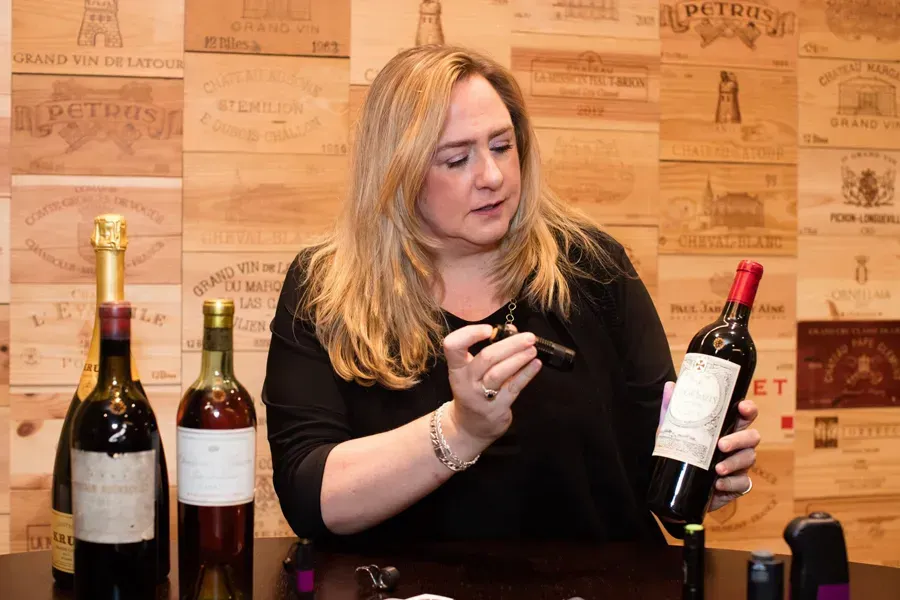
The TCM® methodology is Chai Consulting's proprietary framework for wine verification. It examines four interconnected areas: provenance, physical condition, production consistency, and authenticity indicators. Provenance analysis traces the documented history of a bottle from producer to present owner. Physical condition review examines the bottle, label, capsule, cork, and fill level against known producer references. Production consistency compares details against verified examples from the same producer and vintage. Taken together, these examinations produce a professional opinion grounded in evidence rather than impression. For bottles that pass the full TCM® review, Chai Vault certification documents the outcome and creates a digital provenance record that travels with the bottle.
Chai Vault Certification
Certified Bottles, Documented Provenance
Chai Vault is the certification and digital provenance registry for bottles that Chai Consulting certifies through the TCM® process. A Chai Vault record gives buyers, sellers, insurers, and fiduciaries a verifiable reference point for a bottle's authenticated status. This is particularly useful when a collection changes hands, when bottles are consigned through an auction house, or when a formal record of authenticity is needed for insurance or estate purposes. Chai Vault certification is reserved for bottles that complete the full TCM® review; conclusions are presented as professional opinions consistent with the standards and scope of the engagement.
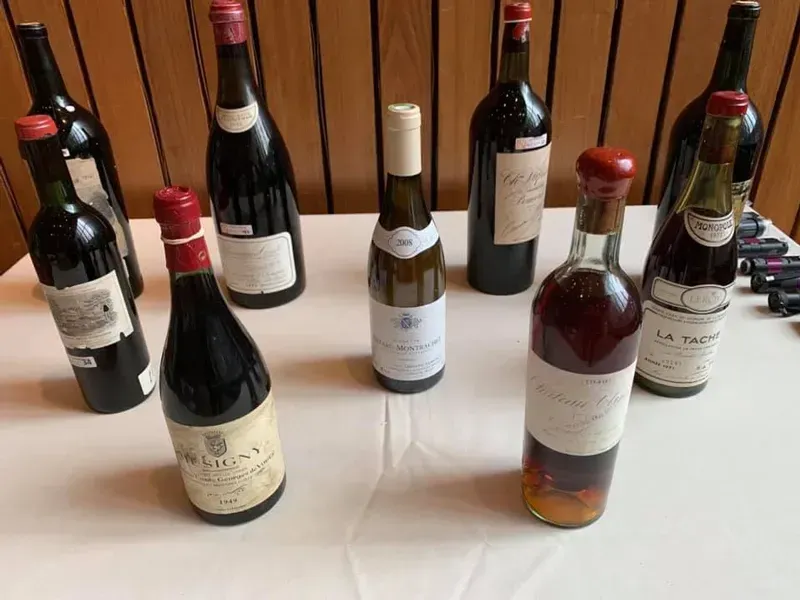
Who Relies on Authentication
Collectors, Estates, and Institutions That Authenticate Fine Wine
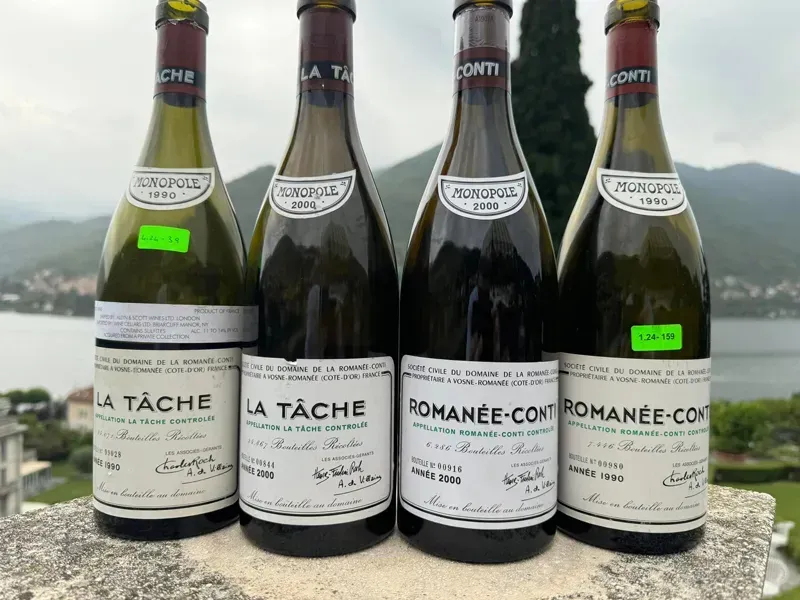
Private collectors use authentication to protect significant purchases and to prepare bottles for resale with documented provenance. Estates and fiduciaries rely on it when inventorying collections where the acquisition history is incomplete. Attorneys and insurers engage Chai Consulting when authenticity is a central question in a dispute, loss claim, or fraud investigation. Auction houses and trade professionals seek independent verification to support the accuracy of their own listings and representations. In each case, the goal is the same: a clear, defensible professional opinion based on rigorous physical and documentary examination, delivered by a specialist with deep counterfeit wine identification experience and no stake in the outcome.
Authentication Questions Answered
Frequently Asked Questions About Wine Authentication
What does a wine authenticator examine during the TCM® process?
The TCM® methodology covers four areas: provenance, physical condition, production consistency, and authenticity indicators. Provenance analysis traces the documented history of a bottle from producer to current owner. Physical condition review looks at the bottle, label, capsule, cork, and fill level against known producer references. Production consistency compares details against verified examples from the same producer and vintage. Together, these examinations produce a professional opinion grounded in physical and documentary evidence rather than general impression or market reputation.When should a collector have wine authenticated?
Authentication is most useful before a significant purchase, after acquiring bottles through a private sale or estate, when preparing a collection for resale or consignment, and when something about a bottle's appearance or documented history raises a question. It is also appropriate when a collection is being valued for insurance or estate purposes and the provenance of certain bottles is incomplete or undocumented. Authentication at the right stage reduces the risk of making consequential financial decisions based on incomplete or misleading information about a bottle's origins or condition.Can authentication be completed before a purchase is finalized?
Yes. Pre-purchase authentication is one of the most common engagements Chai Consulting handles. Examining a bottle before the transaction closes gives the buyer an independent professional opinion about provenance and condition before committing to the price. This is particularly relevant for high-value or rare bottles where the cost of authentication is small relative to the purchase price and the potential exposure to fraud. The TCM® review produces a professional opinion; conclusions are not guarantees of genuineness but are grounded in rigorous physical and documentary examination.What is Chai Vault and what does its certification document?
Chai Vault is the certification and digital provenance registry used by Chai Consulting for bottles that complete the full TCM® authentication process. A Chai Vault record documents the outcome of the examination and creates a verifiable reference point that can accompany the bottle through future sales, consignments, insurance filings, or estate inventories. Certification is reserved for bottles that pass the complete TCM® review. It is not issued as a general endorsement; it reflects the findings of a specific, scoped professional engagement.Is Chai Consulting's authentication work independent of auction houses and dealers?
Yes. Chai Consulting operates as an independent advisory practice with no owned inventory and no affiliation with any auction house or dealer. Authentication findings are not influenced by whether a bottle sells, what channel it moves through, or what price it achieves. Independence is central to the practice's value: clients receive a professional opinion shaped by the evidence, not by a commercial interest in the outcome. This matters especially when authentication results will be used in formal contexts such as insurance claims, estate administration, or litigation.What types of disputes or legal matters involve wine authentication expertise?
Authenticity questions arise in a range of formal contexts, including fraud investigations, insurance loss claims, estate and asset division proceedings, and civil or criminal litigation involving fine wine. Chai Consulting has experience providing expert analysis and testimony in these matters, with findings grounded in the TCM® methodology and documented in a format suitable for professional and legal use. Attorneys, insurers, fiduciaries, and institutions engage the practice when they need a specialist who can translate complex physical and provenance evidence into clear, well-supported professional opinions.Does Chai Consulting authenticate wine outside California and the Bay Area?
Yes. Chai Consulting is based in the Bay Area but serves clients with collections across the United States, Europe, Asia, and other markets. The global team includes specialists and TCM® authenticators operating in multiple regions, which allows the practice to handle multi-location collections and international engagements with local context and coordinated standards. Collectors and institutions with bottles stored across homes, facilities, or countries can engage Chai Consulting for authentication work regardless of where the bottles are located.How does a professional authentication opinion differ from a general market estimate?
A professional authentication opinion is based on a structured physical and documentary examination using the TCM® methodology. It addresses specific questions about provenance, condition, and production consistency for individual bottles or a defined set of bottles. A general market estimate typically reflects current resale pricing without a formal examination of the bottle's authenticity or history. Authentication and appraisal serve different purposes: authentication addresses whether a bottle is what it appears to be, while a formal appraisal establishes its value for insurance, estate, tax, donation, or litigation purposes.