

Wine Authentication Training and Professional Wine Seminars
Chai Consulting offers specialist-led seminars and training programs built around wine authentication, provenance evaluation, and counterfeit detection. Whether you are a collector building practical knowledge, a sommelier working in high-value environments, or an auctioneer who needs sharper fraud awareness, these programs deliver wine fraud education grounded in real cases, rigorous methodology, and decades of field experience. The instruction comes directly from specialists who work with authentication challenges daily, not from a generalist curriculum.
Wine Industry Education in the Bay Area and Beyond
Specialist Instruction Grounded in Real Authentication Work
Chai Consulting's seminars and training programs draw on the same expertise behind the proprietary TCM® wine authentication methodology. Participants learn how to assess provenance, evaluate physical condition, identify inconsistencies in production records, and recognize the markers that distinguish genuine bottles from counterfeits. This is wine knowledge training built from the ground up around authentication practice, not general appreciation. The instruction reflects experience managing more than $120 million in fine and rare wine assets and assisting law enforcement in major fraud matters. That depth makes the material both credible and practically useful for professionals who encounter consequential decisions around high-value wine.
Who the Programs Serve
Built for Collectors, Sommeliers, Auctioneers, and Wine Professionals
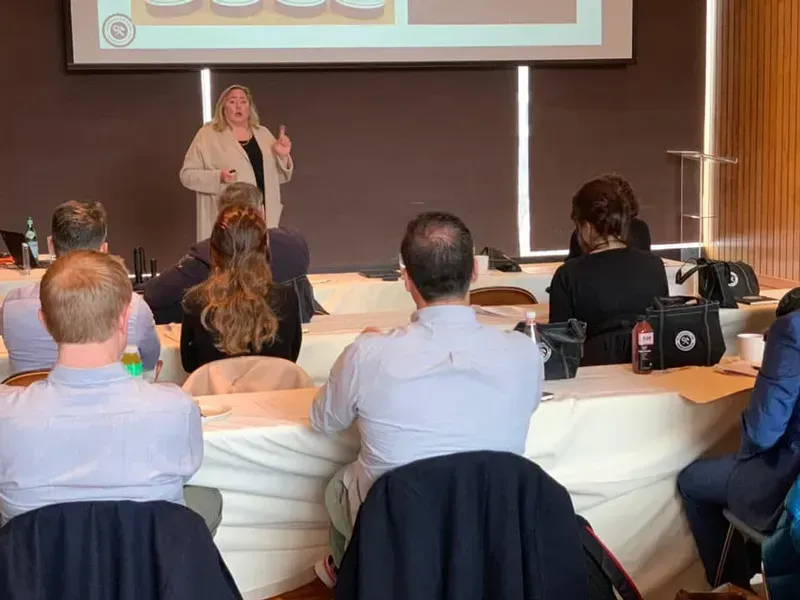
These professional wine seminars are designed for people who work with fine wine at a level where authenticity and provenance genuinely matter. Private collectors who want to sharpen their ability to evaluate acquisitions, sommeliers operating in fine dining or high-end retail, auctioneers handling consignments, and other wine industry professionals will all find material directly relevant to their work. The programs are also appropriate for attorneys, insurers, and fiduciaries who need a working understanding of wine fraud and authentication in order to handle disputes, claims, or estate matters more effectively. Instruction is delivered by specialists with direct experience in authentication, fraud investigation, and formal valuation, giving participants access to knowledge that is not available through standard wine education channels.
What the Training Covers
Authentication, Provenance, and Wine Fraud Education
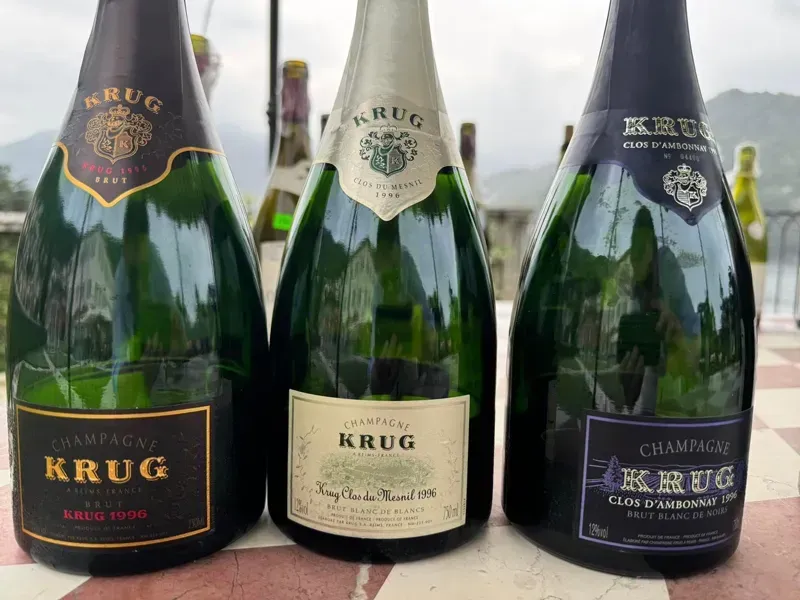
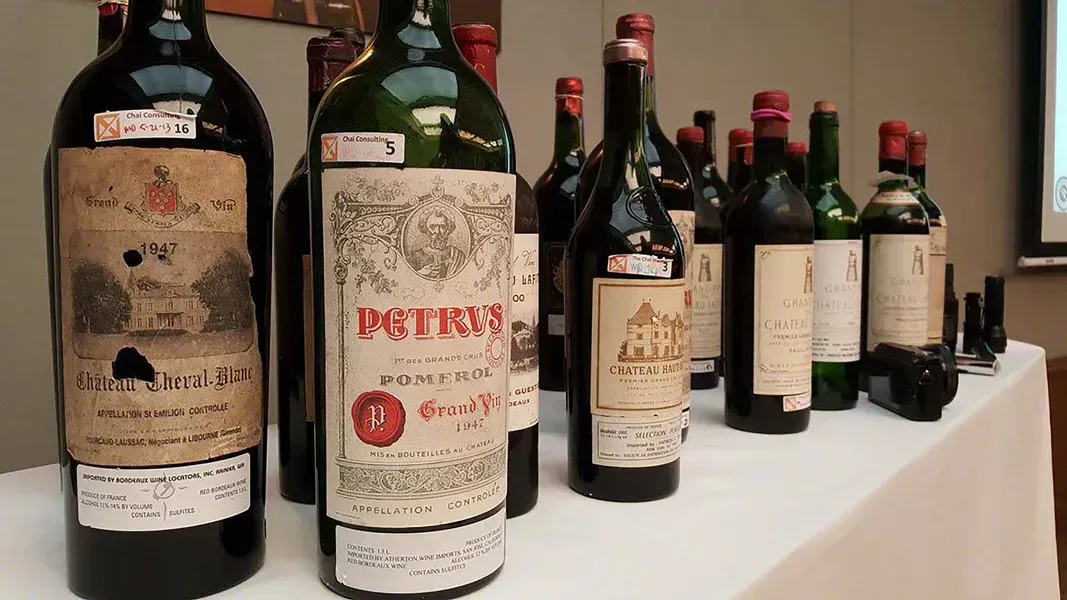
Each program addresses the core skills behind reliable authentication: understanding provenance and what a credible ownership history looks like, recognizing physical and documentary inconsistencies in bottles and labels, applying systematic evaluation methods, and building awareness of how counterfeit wine enters the market. The wine fraud education component draws on documented cases and real examples, giving participants a concrete frame of reference rather than abstract theory. Deeper reference material, including authentic and counterfeit bottle galleries, producer and vintage references, and profiles of known counterfeiters, is housed at WineFraud.com, the educational resource connected to Chai Consulting. Seminar participants are directed to that resource as part of the broader learning experience.
Program Availability
Global Reach, Specialist-Led Delivery
Chai Consulting operates from a Bay Area base with a global team and the capability to deliver programs across the United States, Europe, and Asia. Seminars can serve audiences in multiple formats and locations, making the training accessible to professionals and organizations wherever they are based. Active program dates, formats, locations, and registration details will be published here when the current schedule is confirmed.
Seminars & Training Questions
Common Questions About Chai Consulting's Wine Authentication Training
Who are these seminars and training programs designed for?
The programs are built for anyone who works with fine wine at a level where authenticity and provenance carry real consequences. That includes private collectors who want to evaluate acquisitions more confidently, sommeliers in fine dining or high-end retail, auctioneers handling consignments, and other wine professionals seeking structured fraud awareness. Attorneys, insurers, and fiduciaries who need a working understanding of wine authentication for disputes, claims, or estate matters are also well-served by the content. The instruction is specialist-led rather than general, so participants come away with practical skills rather than broad appreciation.What topics does the wine fraud education cover?
The core topics include provenance evaluation, physical and documentary condition assessment, production consistency analysis, and counterfeit detection. Participants learn how to recognize the markers that separate genuine bottles from fakes, how to read a credible ownership history, and how to apply a systematic method when evaluating a bottle or a collection. The instruction draws on documented fraud cases and real examples, giving participants a concrete frame of reference. Deeper reference material, including authentic and counterfeit bottle galleries and profiles of known counterfeiters, is available through WineFraud.com, the educational resource connected to Chai Consulting.What is the connection between the seminars and the TCM® authentication methodology?
The seminars draw directly on the same knowledge base that underpins Chai Consulting's proprietary TCM® wine authentication methodology. TCM® evaluates provenance, physical condition, production consistency, and authenticity indicators in a structured way. The training programs teach participants to apply similar evaluative thinking, so they can approach authentication questions with a disciplined framework rather than intuition alone. This connection means the instruction reflects current, field-tested practice rather than a curriculum developed separately from the authentication work the team does every day.Are the programs available outside California or the Bay Area?
Yes. Chai Consulting is based in the Bay Area but operates with a global team and delivers programs across the United States, Europe, and Asia. The training is not limited to any single location, and programs can be arranged for organizations and audiences in multiple regions.How does this wine knowledge training differ from a standard wine certification course?
Standard wine certification programs focus primarily on tasting, production methods, regions, and general appreciation. Chai Consulting's training is narrower in scope but considerably deeper in its area of focus: authentication, provenance, and fraud detection. The instruction comes from specialists who have worked on real fraud investigations, assisted law enforcement in major cases, and managed significant fine and rare wine collections. That practical background shapes the material in ways that a general certification curriculum cannot replicate. The goal is not a broad overview of wine but a sharper ability to evaluate whether a specific bottle is what it claims to be.When will program dates, locations, and registration details be available?
Active program dates, formats, locations, and registration information will be published on this page once the current schedule is confirmed. The content on this page reflects the scope and approach of the programs, but transactional registration details are not yet live. Parties interested in attending or arranging a program for their organization can reach out directly to discuss timing and availability.What reference materials support the seminar content?
WineFraud.com is Chai Consulting’s educational resource, complementing its seminar content with an extensive reference library. It includes galleries of authentic and counterfeit bottles, producer and vintage references, authentication education, profiles of infamous counterfeiters, and documented wine fraud cases.